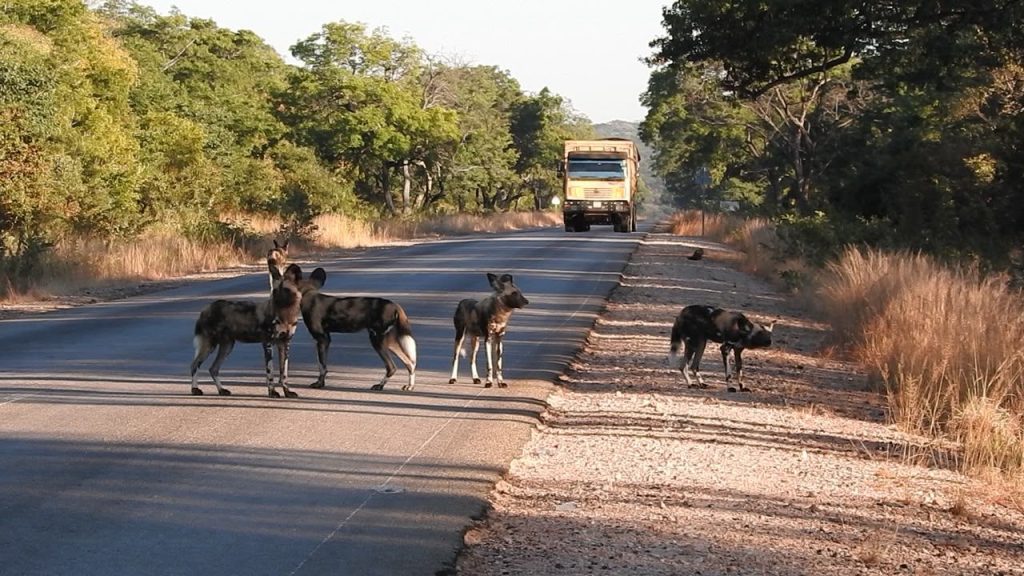
To protect one of the country’s important painted wolf populations from disease threat, an emergency vaccination programme has been carried out in Zimbabwe’s South-East Lowveld.
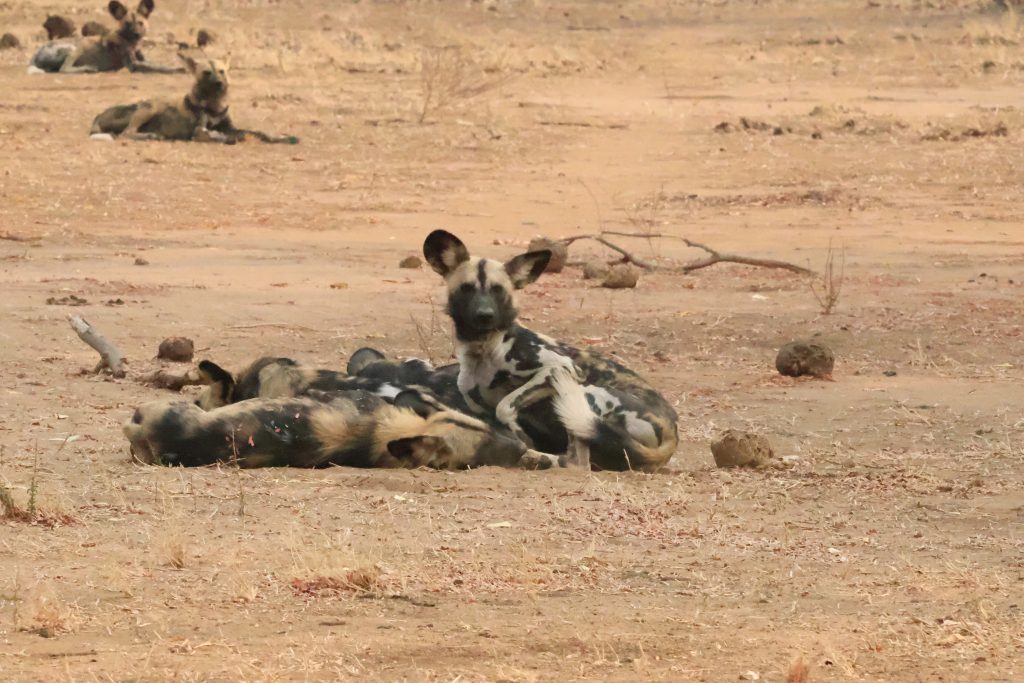
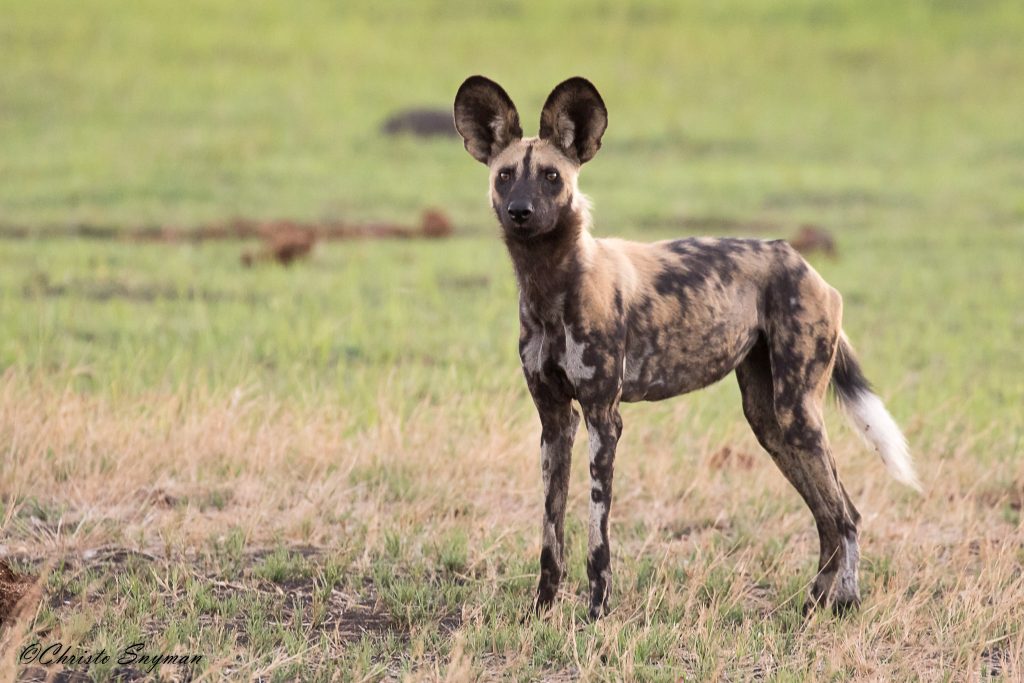
Around 18 painted wolf packs live across the Save Valley Conservancy, Gonarezhou National Park and the critical Sengwe-Tshipise wildlife corridor.
The African Wildlife Conservation Fund (AWCF) has worked in the region for more than two decades, building strong community and wildlife authority relationships. They recently identified an emerging threat of Canine Distemper Virus (CDV) and rabies from domestic dogs in areas surrounding this important painted wolf population. Urgent action was needed to reduce the risk of disease transmission.
CDV and rabies pose a serious threat to painted wolves and diseases can spread from domestic dogs to painted wolves and other wildlife populations. Outbreaks are capable of devastating entire packs and decimating painted wolf populations.
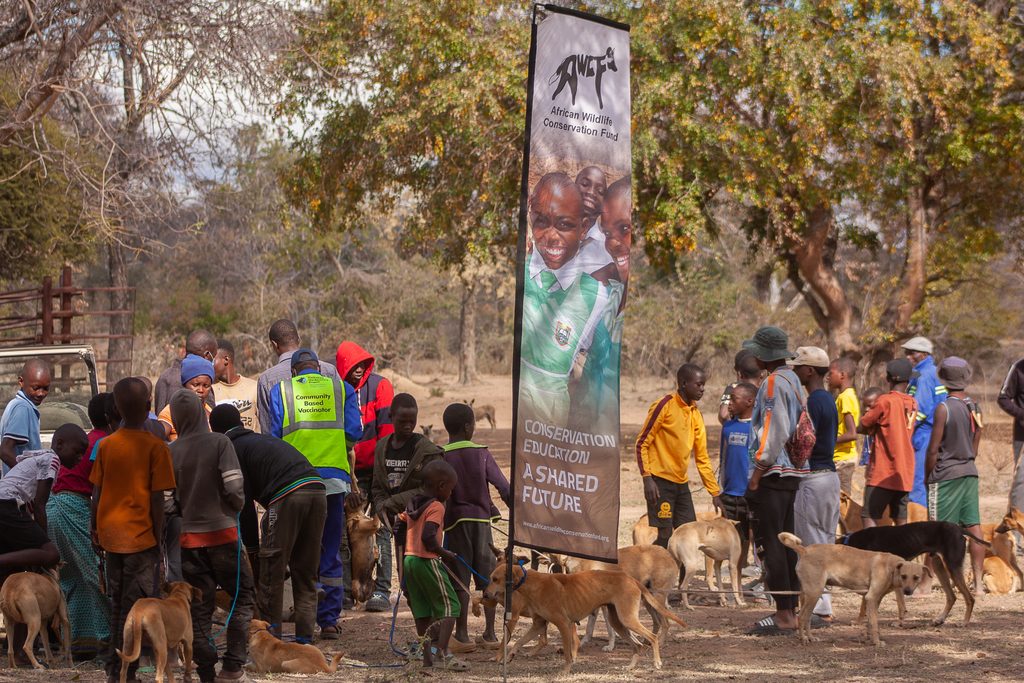
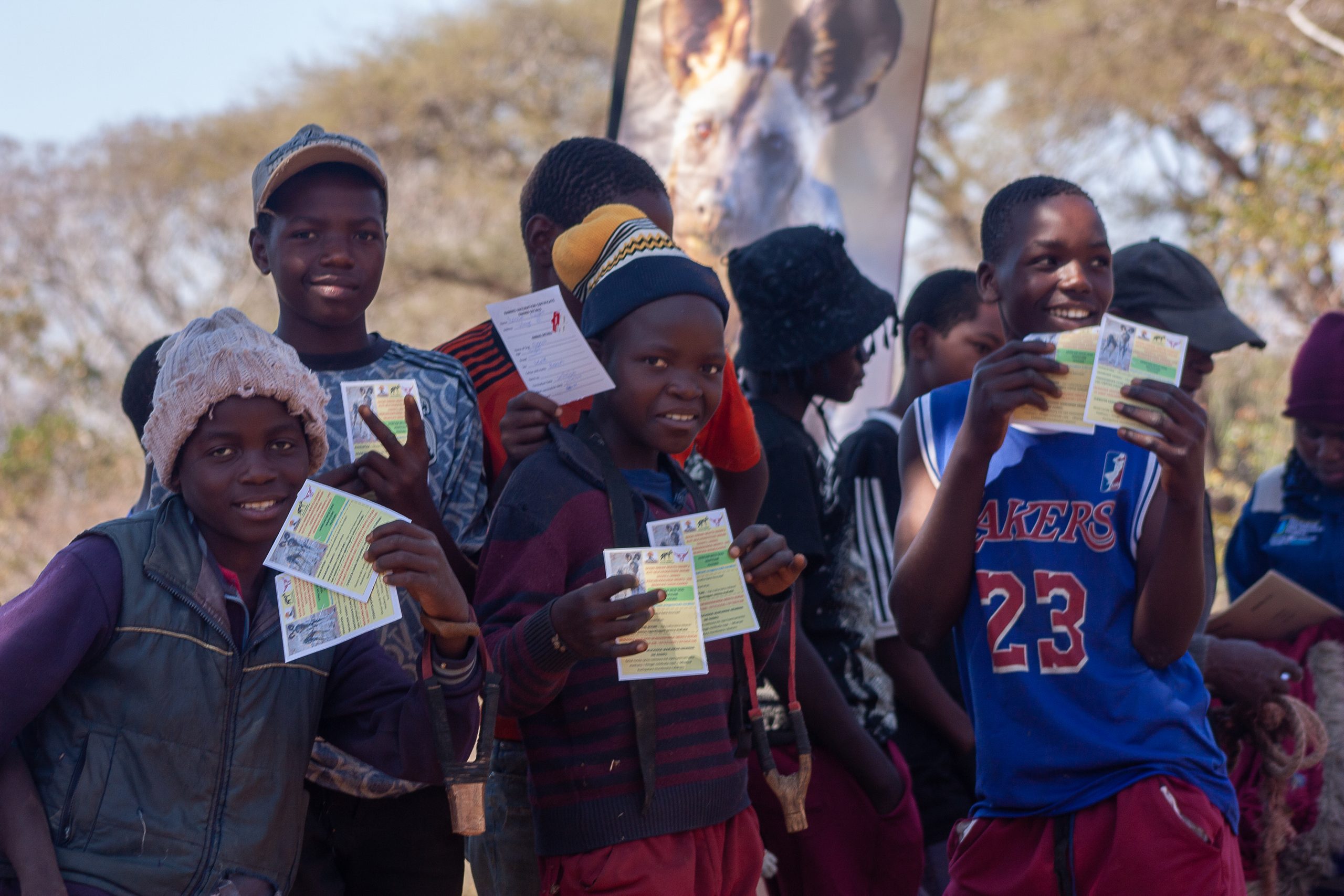
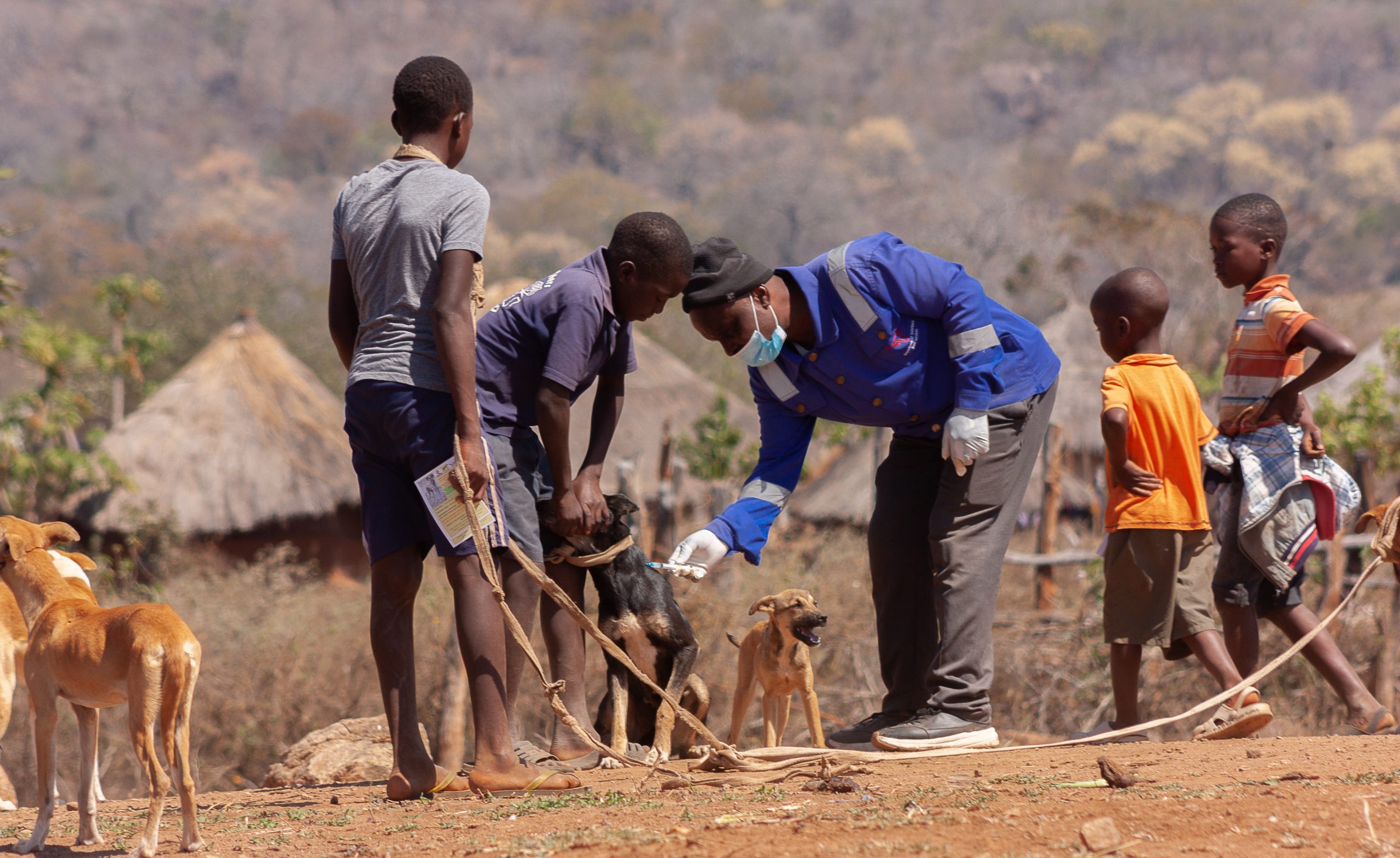
In response, the Painted Dog Fund supplied targeted emergency funding to support the urgent vaccinations of domestic dogs in the identified hotspot areas in a joint effort between AWCF, veterinary authorities and the local Sengwe and Bikita communities. These vaccinations create an important protective buffer, reducing the risk of disease spreading into this key painted wolf population.
Importantly, the programme also takes a One Health approach, recognising the connection between people, domestic animals and wildlife. Vaccinating domestic dogs helps protect animals that local communities rely on, while also reduces the risk of transmission to people. At the same time, reducing disease in domestic dogs helps protect painted wolves from the risk of transmission. By linking these benefits directly to painted wolf conservation, AWCF is helping raise the profile of the species and strengthen community tolerance for their presence.
In total, 2420 animals were vaccinated against CDV and 5033 against rabies, with a 98% vaccination rate. The programme was well supported by the local communities.
This rapid intervention could help prevent significant losses across multiple packs, while longer-term disease prevention efforts are being developed to safeguard this important painted wolf stronghold.