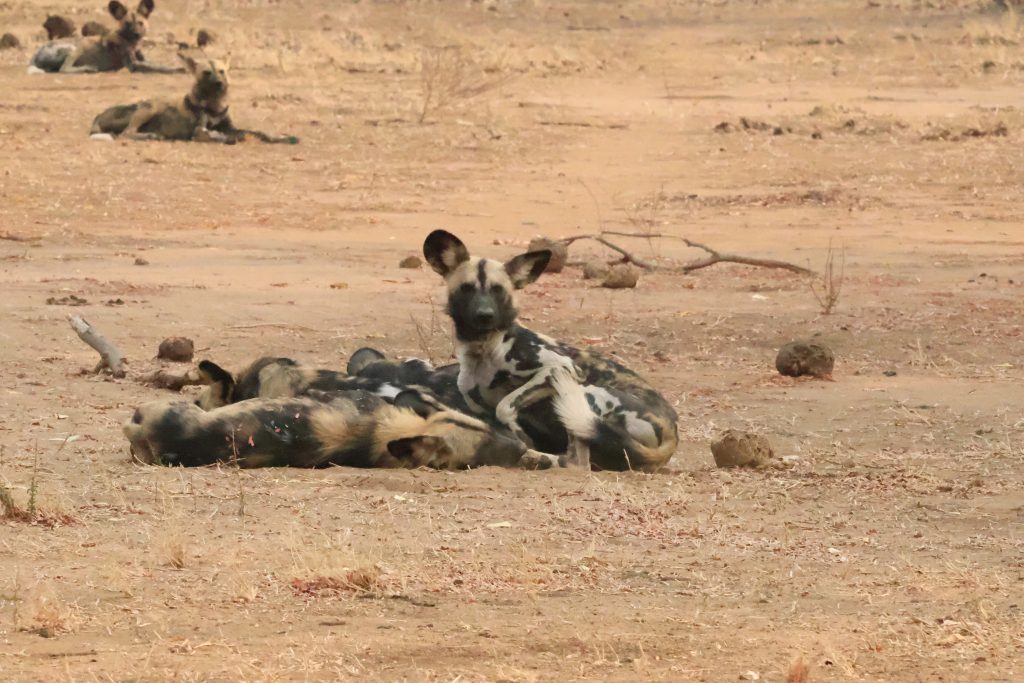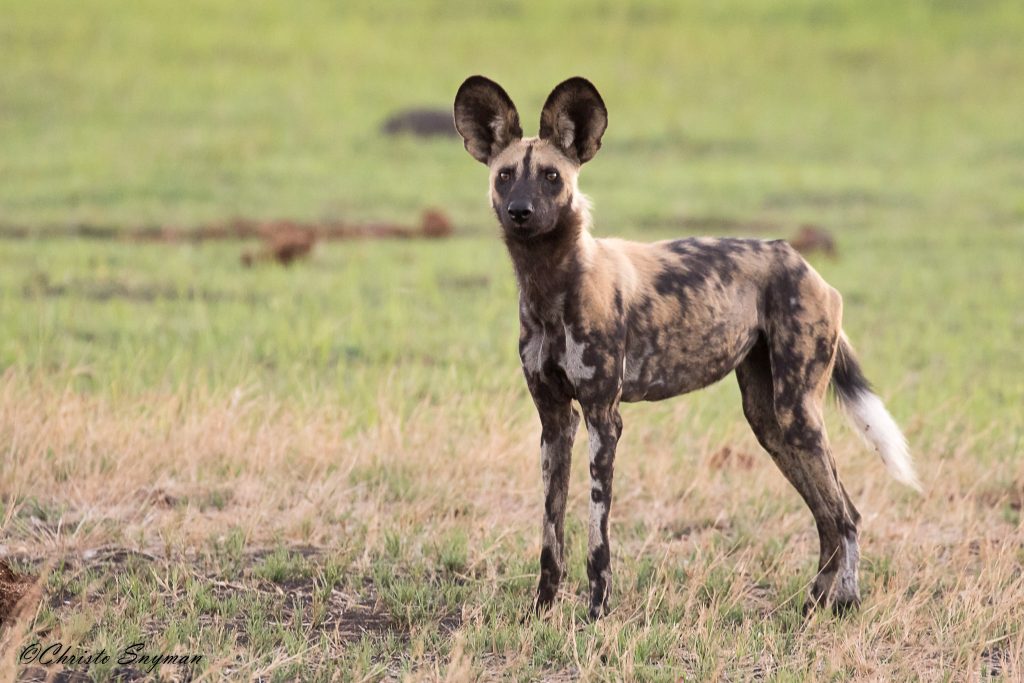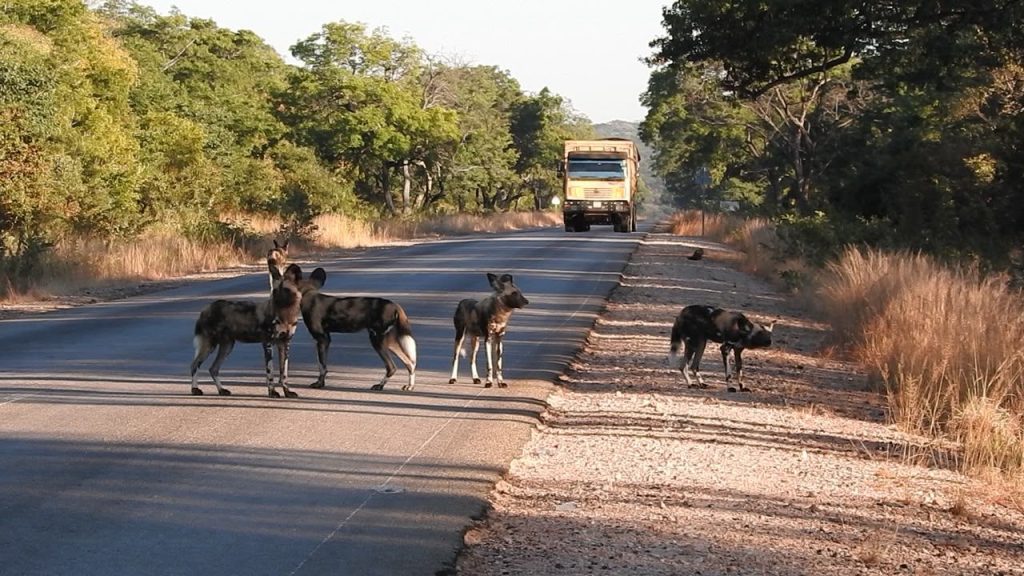
Painted wolves don’t recognise the boundaries between national parks, conservancies and community lands. As they move across the Tsavo landscape, they are monitored and protected by several different organisations.
Effective conservation for the species depends on organisations working together. Without coordination, vital information can remain fragmented, slowing responses to threats such as snaring, disease outbreaks and human-wildlife conflict.
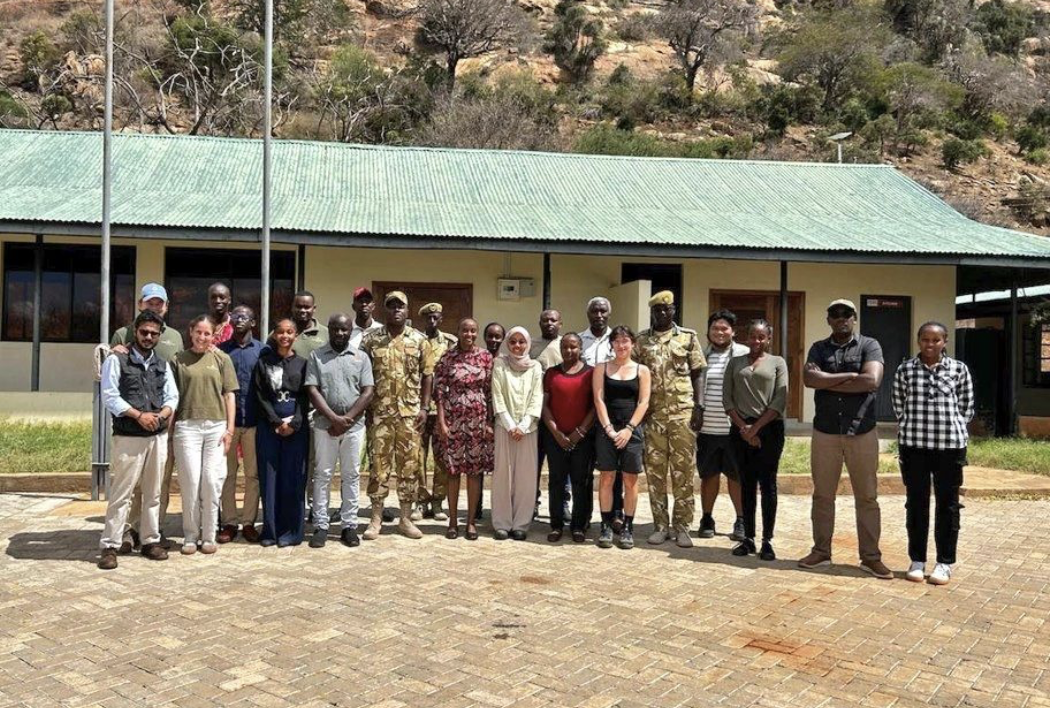
Addressing this challenge, key conservation partners were brought together for the first Tsavo Human-Wildlife Conflict Workshop.
Effective conservation for the species depends on organisations working together.
That’s why the Painted Dog Fund invested in a workshop that brought together partners in the landscape to strengthen collaboration and coordinated responses to threats like snaring and disease.
Led by the Wildlife Research and Training Institute in partnership with Kenya Wildlife Service and Tsavo trust, the workshop focused on improving coordination for painted wolf conservation across the landscape.
By strengthening information sharing and collaborative planning, partners are better equipped to respond quickly to threats such as disease outbreaks, snaring incidents and conflict, helping to protect packs that move across multiple land-use areas.
The workshop was so successful that its collaborative approach will be used as a blueprint for future carnivore conservation planning workshops in the Tsavo landscape.
This represents an important step towards more coordinated, landscape-scale conservation, benefiting not only painted wolves but other large carnivore species that face many of the same challenges.