We invest in projects and initiatives that are designed to bring about transformational change either for a local population or across the entire species.


Developing Africa’s Painted Wolf Conservation Leadership Programme

| Implementation partner | Painted Wolf Foundation |
| Strategy | Support collaborations |
| Location | South Luangwa, Zambia |
| Allocation | US$ 223,451 |
| Duration | 2 years |
| Challenge | Across the continent, the lack of local African conservationists with the specialist skills, ecological knowledge, and leadership capacity limits the ability of the PDF to support painted wolf conservation efforts. Most trained individuals are already engaged in existing projects, so starting new projects would mean drawing these talents away from the very projects PWF and PDF support or aims to support. To overcome this bottleneck, PWF has launched a dedicated conservation capacity-building initiative to build a continent-wide network of African painted wolf conservation leaders, with partners Zambian Carnivore Programme and Painted Dog Conservation. |
| Opportunity | This initiative tackles one of the most pressing, systemic threats to painted wolves: the lack of skilled, dedicated conservationists able to implement and sustain proven interventions to protect them. Painted wolves are extremely challenging to work with, requiring detailed ecological knowledge, specialised tools, and long-term field experience. Most areas where the species persists lack this expertise entirely. By training a new generation of conservationists, this programme directly expands the operational footprint of painted wolf protection. Trainees will be capable of launching or enhancing conservation efforts in unprotected or neglected painted wolf landscapes, improving outcomes for the species across its range. |

Rescuing a persecuted painted wolf pack
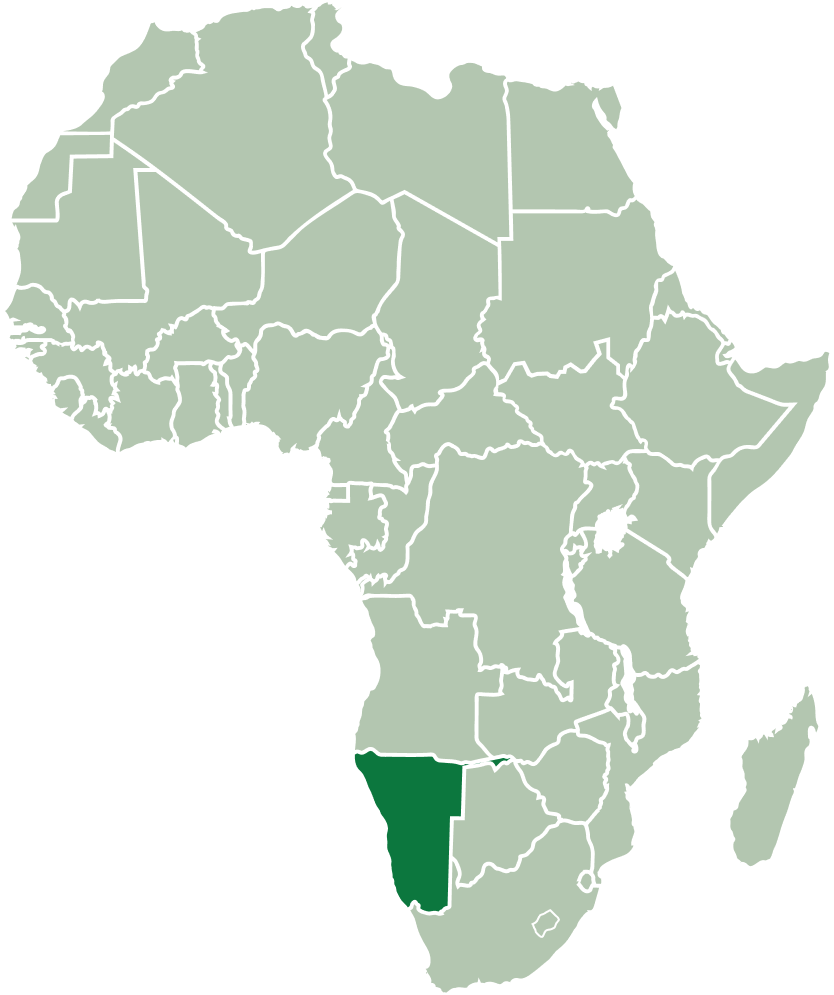
| Implementation Partner | Kalahari African Wild Dog Conservation Project |
| Strategy | Protect |
| Location | Kavango, Omaheke and Otjozondjupa regions, Namibia |
| Allocation | US $4,906.00 |
| Duration | 4 months |
| Challenge | A critically endangered painted wolf pack, led by a compromised alpha female, was at immediate risk due to escalating human-wildlife conflict, unsuitable habitat, and economic losses for local farmers. Urgent relocation protects a vital reproductive unit in a national population of just 350 individuals, where little effort has been made to conserve the critically low population of painted wolves or to increase their numbers to a sustainable level for future generations. |
| Opportunity | The grant unlocks a unique opportunity to involve the government in building a conservation strategy for painted wolves in the country. Safely relocating one pack created open dialogue and active engagement between farmers in the landscape, conservationists and government. A key outcome of this grant is the creation of a strategic workshop to address the conservation of painted wolves in the country. |

Collaring to Conserve Painted Wolves in Tanzania’s Selous-Nyerere Ecosystem

| Implementation partner | Frankfurt Zoological Society |
| Strategy | Protect, support collaborations |
| Location | Tanzania, Selous-Nyerere Ecosystem |
| Allocation | US$ 8,600 |
| Duration | 3 months |
| Challenge | The Selous – Nyerere landscape holds what is likely Africa’s largest remaining painted wolf population, yet growing threats such as habitat loss, snaring, and poisoning are placing the species at serious risk. Since 2020, key partners have laid the foundation for a conservation programme by collaring packs in at-risk areas and applying the “halo approach” to monitor threats and implement mitigation measures. Without support, there is a real risk that no painted wolf-focused conservation activities will continue in Selous-Nyerere. |
| Opportunity | The immediate priority is to ensure that existing collars remain online through recollaring, so the team does not lose track of the packs already being monitored, safeguarding current progress while working toward a comprehensive long-term conservation programme. The long-term vision is to develop a well-rounded, painted wolf conservation project with the capacity to secure the population in this critical landscape. |


Proactively protect Painted Wolves in Gonarezhou National Park from Canine Distemper

| Implementation Partner | African Wildlife Conservation Fund |
| Strategy | Protect |
| Location | Gonarezhou Ecosystem (Sengwe Community), Zimbabwe |
| Allocation | US $8,350 |
| Duration | 3 months |
| Challenge | Disease is a serious threat to painted wolves in this area. The 2024 Canine Distemper Virus (CDV) scare in Sengwe Community, which led to dozens of dog deaths and confirmed clinical cases, highlighted the urgent need for regular vaccination campaigns to prevent further outbreaks. With most households unable to afford dog vaccinations, a large population remains susceptible to CDV, putting painted wolves at risk. |
| Opportunity | This grant shifts the response to CDV from emergency action to long-term prevention. This project will help protect over 3,000 domestic dogs from CDV, safeguard painted wolves and other carnivores from spillover and improve community health and trust in conservation. |
Increasing painted wolf protection in Hwange and surrounds, Zimbabwe
| Implementation partner | Painted Dog Conservation |
| Strategy | Protect painted wolves |
| Location | Hwange National Park and surrounding areas |
| Allocation | US$ 10,468 |
| Duration | 6 months |
| Challenge | Hwange National Park and its surrounding landscapes are key painted wolf habitats in Zimbabwe. During the dry season, poaching in this landscape peaks during and wire snare bycatch poses a serious threat to painted wolves. It is crucial to have dedicated teams on the ground to address the issue by removing snares, fostering coexistence with wildlife and promoting long-term sustainability. |
| Opportunity | The Painted Dog Fund grant supports the community-led protection of painted wolves during the dry season when poaching peaks by reducing threats to them and their prey while actively empowering local communities to lead conservation efforts. |

Kick-starting a painted wolf project in Tsavo East National Park

| Implementation Partner | Tsavo Trust |
| Strategy | Collaboration / Spreading best practice |
| Location | Tsavo East National Park |
| Allocation | US$70,000 |
| Duration | 1 Year |
| Challenge | Tsavo East National Park, part of the wider Tsavo Conservation Area, is Kenya’s largest national park. Tsavo has space to hold Kenya’s largest painted wolf population, however, the population has experienced significant fluctuations over the past few decades and is currently in decline. Currently there is no dedicated painted wolf conservation programme in Tsavo East. |
| Opportunity | This Painted Dog Fund grant unlocks a unique opportunity to protect one of Africa’s key painted wolf populations through a strong trusted partner, Tsavo Trust. With PWF’s strategic guidance and Tsavo Trust’s strong local partnerships and expertise, Tsavo Trust will build conservation capacity for painted wolves, monitor threats, and deliver rabies vaccinations, ensuring a brighter future for painted wolves in Tsavo East’s vast, iconic landscape. |


Expanding painted wolf protection in the Luangwa Valley, Zambia
| Implementation Partner | Zambian Carnivore Programme |
| Strategy | Collaboration / Spreading best practice |
| Location | Northern Luangwa Valley Ecosystem, Zambia |
| Allocation | US$50,000 |
| Duration | 1 Year |
| Challenge | The 17,000 km² Northern Luangwa Valley in Zambia, part of the larger Luangwa Valley ecosystem, is home to a vital but unprotected population of painted wolves. There are no current intensive monitoring efforts in these areas due to lack of capacity and funding. There is a critical need to gain an understanding of these packs to identify the key threats and work out the correct mitigation strategies. |
| Opportunity | There is a great opportunity to protect these painted wolves by partnering with the Zambian Carnivore Programme (ZCP). With almost 20 years of experience in painted wolf conservation, ZCP’s successful conservation program in South Luangwa provides a proven model to expand efforts into North Luangwa. Supported by a significant grant from the Painted Dog Fund, ZCP can now enhance conservation initiatives to protect painted wolves and ensure their long-term survival across the entire Luangwa Valley. |

Maasai conservation exchange between
Kenya and Zimbabwe
| Grantee | Painted Dog Conservation |
| Strategy | Collaboration / Spreading best practice |
| Location | Hwange National Park, Zimbabwe |
| Allocation | US$2,000 (Subsistance – travel etc paid out of Maasai Grant) |
| Duration | 2 Weeks |
| Challenge | PWF wanted to kick-start a painted wolf conservation project in the Maasailands of Southern Kenya with SORALO and the Kenya Wildlife Trust. Owing to the scarcity of painted wolves in Southern Kenya, there was very little opportunity for their leading conservationists to learn about the species on the ground and gain practical, hands-on experience. |
| Opportunity | PWF approached Painted Dog Conservation (PDC) in Zimbabwe and asked them if they would be willing to host Maasai conservationists and share their experiences of conserving the painted wolves. The objective would be to immerse the Maasai in all aspects of painted wolf conservation, including tracking, anti-poaching, rehabilitation, scat analysis, community education and community outreach. And, of course, offer them the opportunity to get up close to packs and observe their behavior. |

Investing in reliable GPS collars with cutting edge technology

| Implementation Partner | SpoorTrack |
| Strategy | Collaboration / Spreading best practice |
| Location | Botswana, South Africa, Zambia, Zimbabwe |
| Allocation | US$3,000 (initial testing) |
| Duration | 1 Year |
| Challenge | There is a distinct lack of investment in technology to improve painted wolf conservation outcomes. This is because no individual organization has the funds or capacity to commit to investing and managing large-scale projects. PWF develops initiatives and provides funding and management time to create solutions that are a benefit to the species as a whole. One such example is our investment in R&D and testing in the field a potentially ground breaking solar-powered GPS collar for painted wolves. |
| Opportunity | GPS collars are a critical conservation tool, but are notoriously unreliable, undermining the ability to protect individuals and packs properly. An investment in R&D to develop collars could provide many more conservation solutions, saving painted wolves’ lives and helping communities to coexist with less conflict. |


Creating a ‘Model for Reintroduction Success‘
| Implementation Partner | Painted Wolf Foundation initiative and collaboration |
| Strategy | Collaboration / Spreading best practice / Reintroduction |
| Location | Africa-wide |
| Allocation | US$25,000 (pre-approval) |
| Duration | 1 Year |
| Challenge | The Painted Wolf Foundation believes that in order to realistically increase painted wolf numbers they need more space. Reintroducing them to former rangelands that are well managed is therefore core to our aim of doubling the population. Reintroductions are not currently a core conservation strategy among conservationists and many ranging opinions exist on how, when and if they should be carried out. |
| Opportunity | In order to make reintroductions an accepted core conservation strategy, we need to define best practice across the whole of Africa. By defining agreed parameters and specific criteria around reintroductions, PWF will be able to make informed funding decisions. The opportunity exists to bring together those with real reintroduction experience to share learning and develop an accepted model for reintroduction success. |
Kick-starting a painted wolf project in the Lower Zambezi National Park
| Implementation Partners | Conservation Lower Zambezi Zambian Carnivore Project |
| Strategy | Collaboration / Spreading best practice |
| Location | Lower Zambezi National Park, Zambia |
| Allocation | US$50,000 (pre-approval) |
| Duration | 1 Year |
| Challenge | The Lower Zambezi National Park in Zambia currently has a strong population of painted wolves, but over the years their presence has been one of brief booms and long busts. Communities’ tolerance towards them has not been measured although we have clear evidence of snaring and road kills impacting on the packs.Very little is known about these packs and why they disappear and, importantly, there are no measures in place to protect them. |
| Opportunity | Conservation Lower Zambezi (CLZ) has established a strong and respected presence in the Zambezi Valley with a focus on anti-poaching and community engagement but has no program to protect the painted wolves. The opportunity is to develop a painted wolf conservation program managed by CLZ, to provide monitoring and protection of the painted wolves and extend community outreach through its extensive programs. This program aims to increase the carrying capacity of the landscape to the sustainable level experienced across the Zambezi in Mana Pools, Zimbabwe. |

Kick-starting a painted wolf project in the Kalahari

| Implementation Partner | Kalahari Conservation and Research |
| Strategy | Collaboration / Spreading best practice |
| Location | Buffer zone above Kgalagadi, Botswana |
| Allocation | US$50,000 (pre-approval) |
| Duration | 1 Year |
| Challenge | The area of the Kalahari known as KD1 and KD2 represents 20,000 km² of pristine wilderness situated above the Kgalagadi Transfrontier Park. It is a critical corridor and buffer area and contains significant unstudied packs of painted wolves that are not on any range map. The small San communities that live there have traditionally lived comfortably alongside the painted wolves, but an increase in livestock herding has led to a rise in wildlife conflict including painted wolf mortalities. This trend is starting to erode the traditional tolerant coexistence the San have with wildlife and urgent interventions are necessary if the painted wolf population is to be preserved. |
| Opportunity | To monitor the packs and understand their populations and rangelands so as to better protect them and the communities they live among. To understand the challenges the San face living alongside the species and implement proven techniques to increase acceptance and incentives to protect the painted wolves. To work with the San to help them improve animal husbandry and mitigate against painted wolf livestock predations. |


Evaluating former painted wolf rangelands in Central and Southern Africa for potential reintroductions.
| Implementation Partner | Endangered Wildlife Trust |
| Strategy | Reintroductions |
| Location | Central and Southern Africa |
| Allocation | US$10,000 |
| Duration | 1 Year |
| Description | The Painted Wolf Foundation provided the Endangered Wildlife Trust with a grant to fund the investigation of potential reintroduction sites across Eastern and Southern Africa to determine what would make them suitable painted wolf habitats in the future |
| Why Transformational | For Painted Wolf numbers to double, they need more land. However, there are many factors that determine whether that land is suitable, including prey base, competing predator densities and crucially community acceptance. There are several organisation rehabilitating potential sites which could be potential areas for relocation and it is important to evaluate these and determine what additional measures are needed to make these suitable. |

Building conservation capacity
in the Maasai landscapes

| Implementation Partners | South Rift Association of Landowners (SORALO) Kenya Wildlife Trust (Mara Predator Conservation Programme) |
| Strategy | Collaboration / Spreading best practice |
| Location | Southern Kenya |
| Allocation | US$45,000 |
| Duration | 1 Year |
| Description | The project’s overarching goal is to catalyse painted wolf conservation efforts across Kenya’s Southern rangelands. Our project aims to improve community perceptions and tolerance of painted wolves and enhance community-based painted wolf monitoring and conflict prevention. To ensure project activities are designed using a blend of expert and local knowledge, the project will take a three-phased approach consisting of (i) development phase including capacity building, (ii) implementation, and (iii) scaling painted wolf conservation efforts across the landscape. |
| Why Transformational | Tolerance for painted wolves in the South Maasailands of Kenya is very low. While populations exist, their survival rates are poor and packs migrating from the Serengeti have limited life expectancies. By working with the Maasai to improve tolerance and understanding of the species, this area of 20,000 KM2 has the capacity to increase the population significantly over time. This is the inaugural step to creating a significant area where painted wolves might thrive. |
Understanding West Africa’s
last remaining painted wolves

| Implementation Partner | Zoological Society of London |
| Strategy | Collaboration / Spreading best practice |
| Location | Niokolo-Koba National Park, Senegal |
| Allocation | US$25,000 |
| Duration | 1 Year |
| Description | This project will initiate the “emergency programme for the lycaon” demanded by UNESCO. The project’s overall goal is to avoid the extinction of West Africa’s last painted wolf population, by identifying and mitigating threats. To meet this goal, it has four objectives: (i) Assess the status and distribution of painted wolves in South-East Senegal (ii) Identify the key threats to Senegal’s painted wolf population (iii) Raise awareness and encourage coexistence of people with painted wolves and other wildlife (iv) Develop an evidence-based National Action Plan for painted wolves in Senegal. |
| Why Transformational | The estimated three/four packs represent the last remaining free ranging painted wolves in Western Africa. This project will identify their conservation needs and lays the foundations to establish the necessary mitigating conservation measures required to avoid their extinction. Collaborating with University College London, the project will seek to establish the genetic uniqueness of this population relative to other parts in Africa. This could have significant implications for relocation strategies. |


